
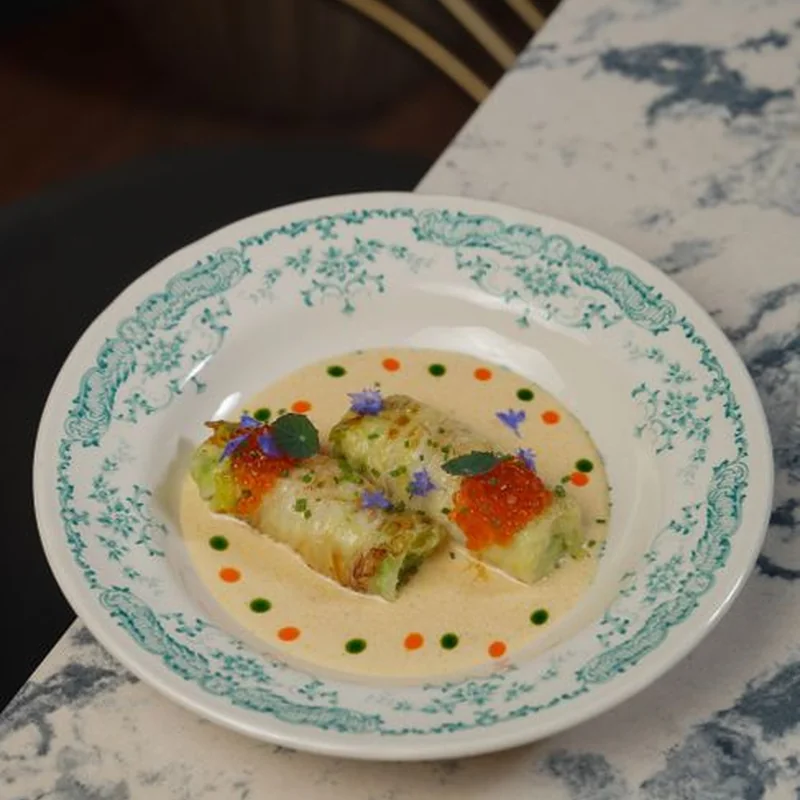
Kohlroulade
Traditional German cabbage rolls. Soft white cabbage leaves are stuffed with a spiced minced meat filling and cooked slowly in stock. A classic winter dish of Northern and Central Germany.
100 minsMedium450 kcal
EatSen · Recipes
Explore recipes and cook for free.
Traditional German cabbage rolls. Soft white cabbage leaves are stuffed with a spiced minced meat filling and cooked slowly in stock. A classic winter dish of Northern and Central Germany.
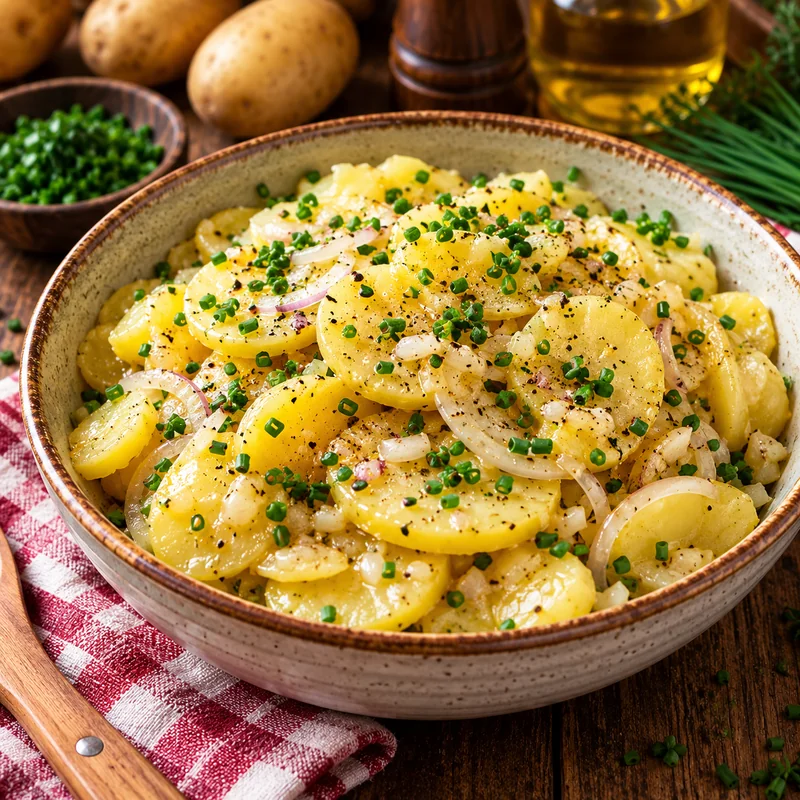
The classic southern German potato salad: waxy potatoes sliced and dressed with a warm marinade of stock, vinegar and mustard, enriched with crispy streaky bacon and softened onions. An essential accompaniment to sausages, schnitzel, or simply served as a main course.
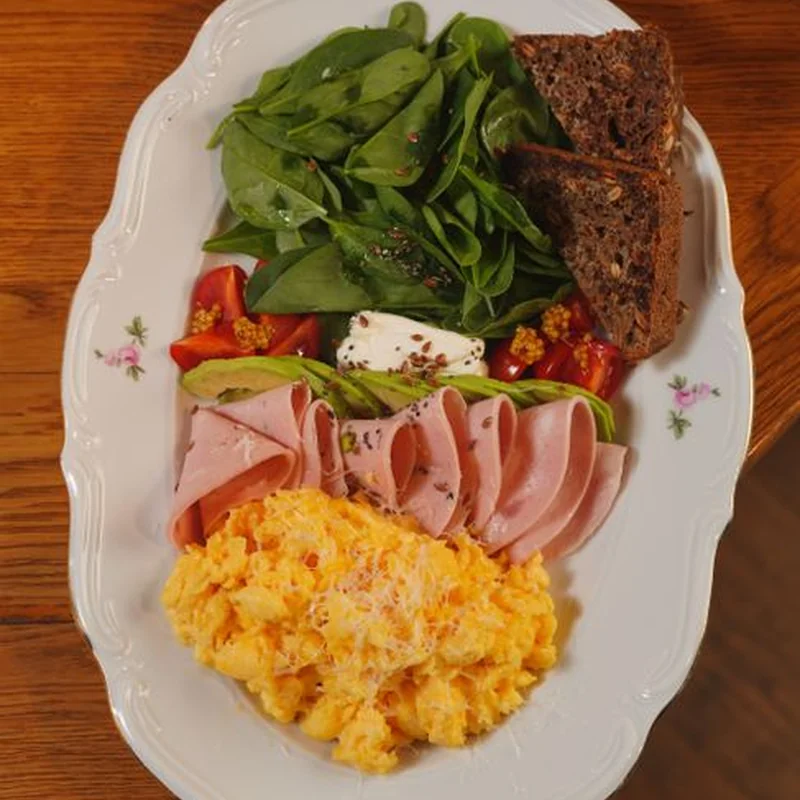
Traditional German farmer's breakfast; a hearty one-pan dish made with fried potato slices, crispy bacon, caramelised onions, and eggs cracked on top and cooked.
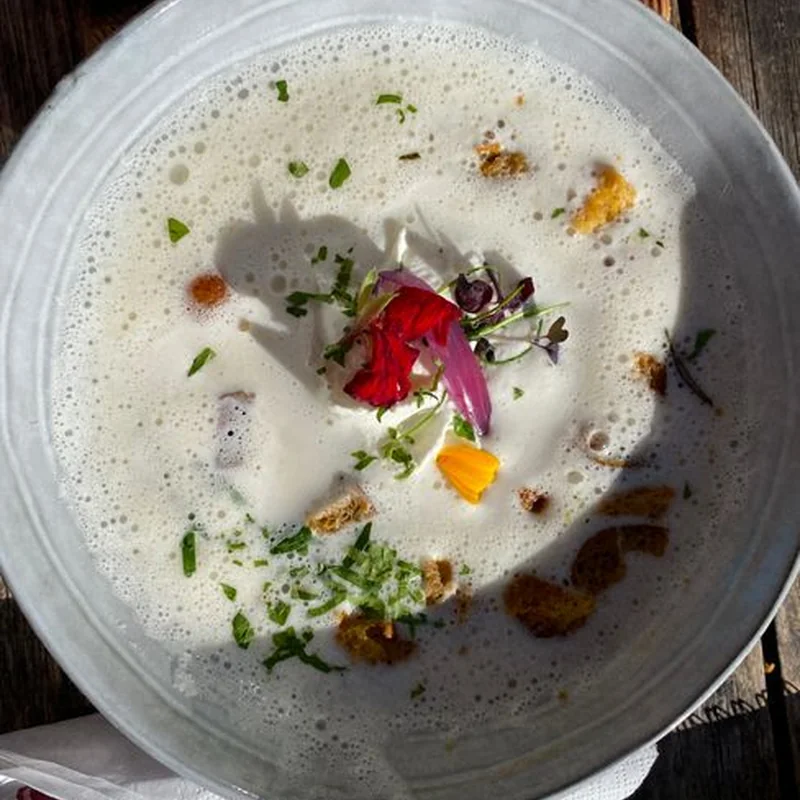
Beer soup is a traditional German-style beer soup. This sweet soup, made with stale bread, dark beer, butter and sugar, is a long-standing rural dish, particularly enjoyed in the winter months as a supper or breakfast. The egg version gives a creamier consistency.
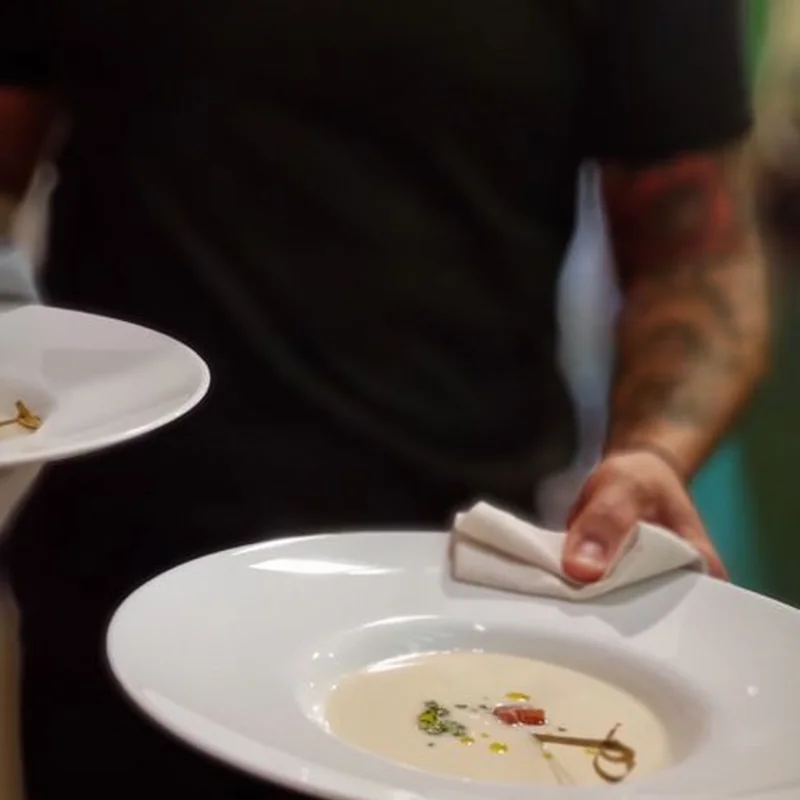
Classic German cream of white asparagus soup made with white asparagus, butter roux, cream and egg. A creamy spring dish from asparagus season, traditionally seasoned with a pinch of sugar and nutmeg.
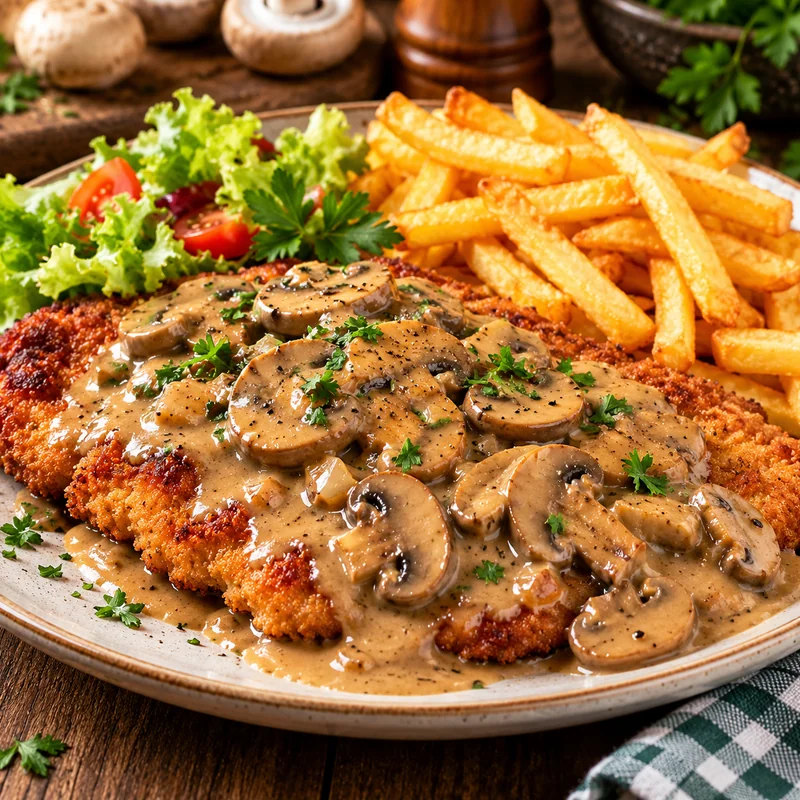
Classic German Jäger Schnitzel: a crispy breaded pork escalope with a creamy mushroom cream sauce (hunter's sauce), traditionally enriched with onions and a splash of white wine.
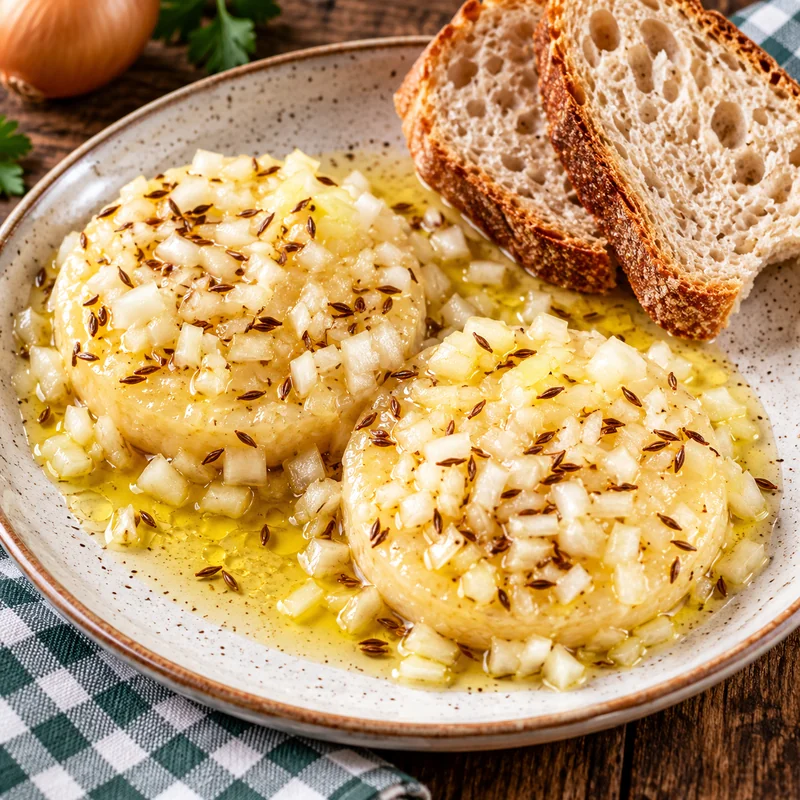
This famous cheese dish from traditional Hessian cuisine is prepared by pouring a sharp marinade of vinegar, oil, thinly sliced onion and caraway seeds over a matured sour milk cheese (Handkäs). The name 'Musik' (music) comes from the flatulence caused by the cheese and onion. It is typically served with dark bread or potatoes.
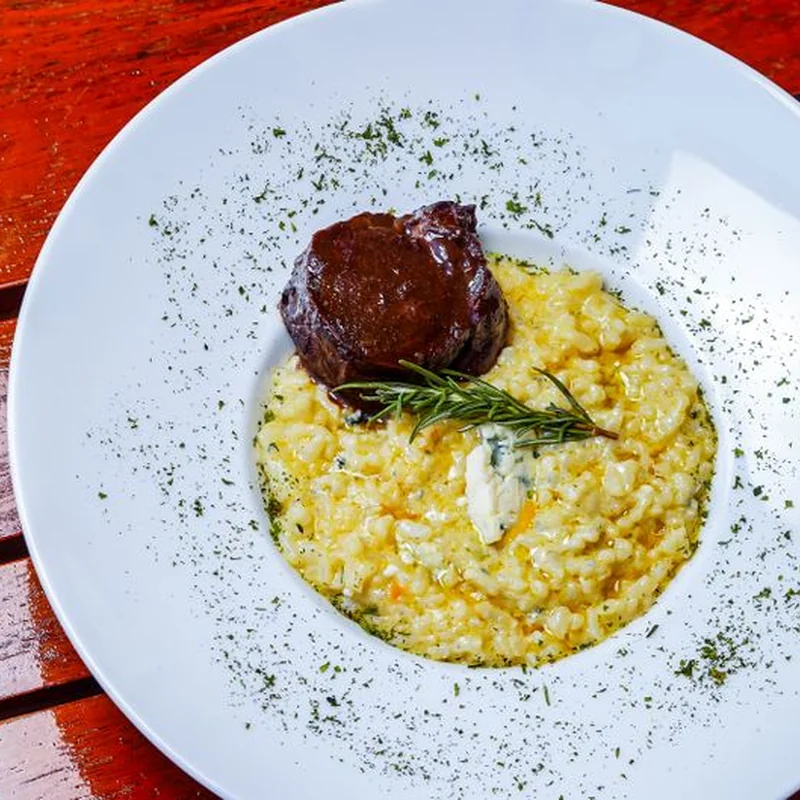
Traditional Milanese-style Osso Buco: veal shank slices braised slowly in white wine and stock. Served topped with fresh gremolata. One of the most established and revered dishes in Milanese cuisine.
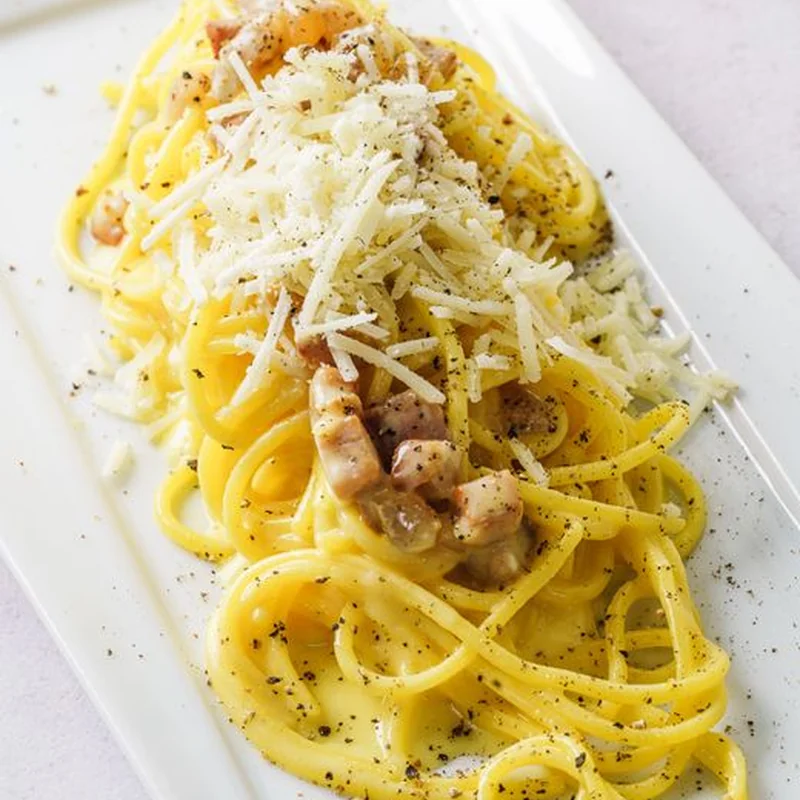
The iconic pasta of Roman cuisine. A traditional recipe containing no cream, prepared with the rendered fat of guanciale and the perfect emulsion of Pecorino Romano and eggs.
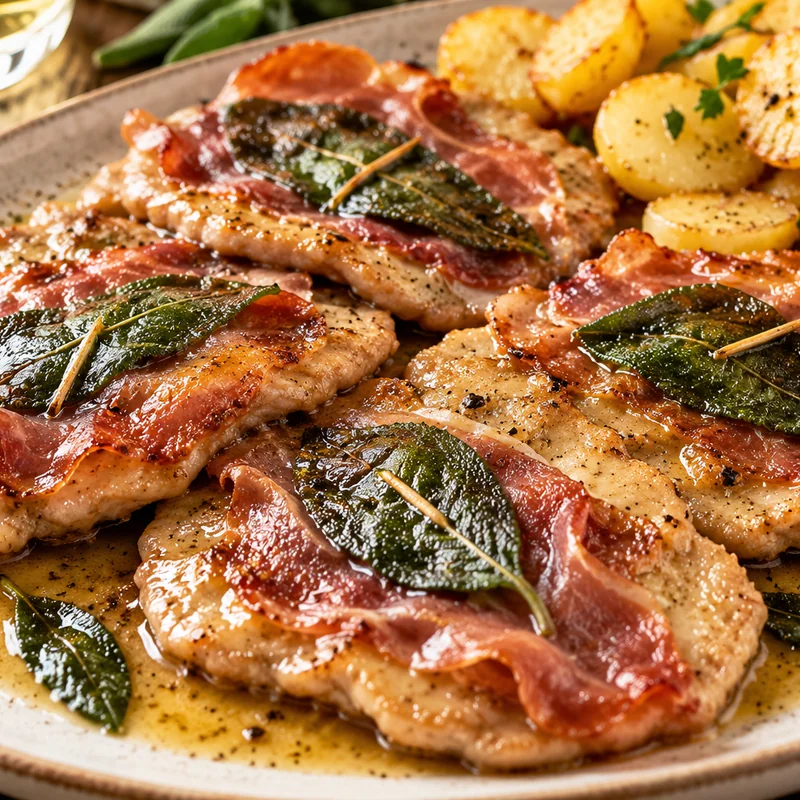
Saltimbocca alla Romana, the most iconic meat dish of Roman cuisine, is made by topping thinly pounded beef escalopes with prosciutto crudo and fresh sage leaves, sealing them in butter, and preparing a quick sauce with white wine. Its name means 'jump in the mouth'; thanks to the quick cooking technique and rich buttery wine sauce, the meat remains incredibly tender and aromatic.
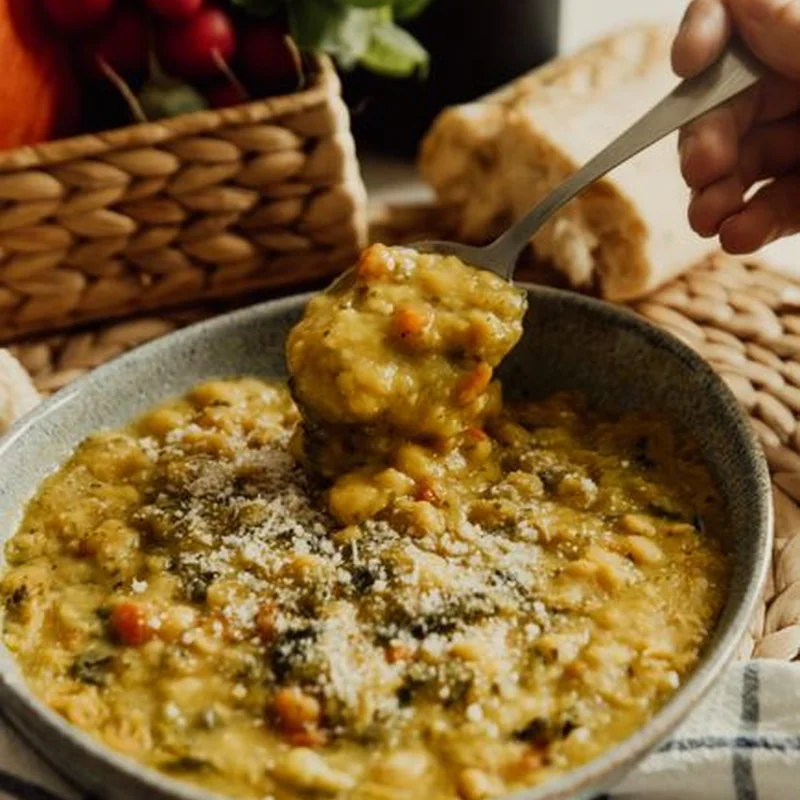
Ribollita, Tuscany's most beloved traditional soup, is a thick and nourishing soup made with stale bread, cannellini beans and cavolo nero (black cabbage). Its name comes from the Italian verb 'ribollire', meaning 'to boil again'; it is created by combining leftover ingredients and cooking them once more.
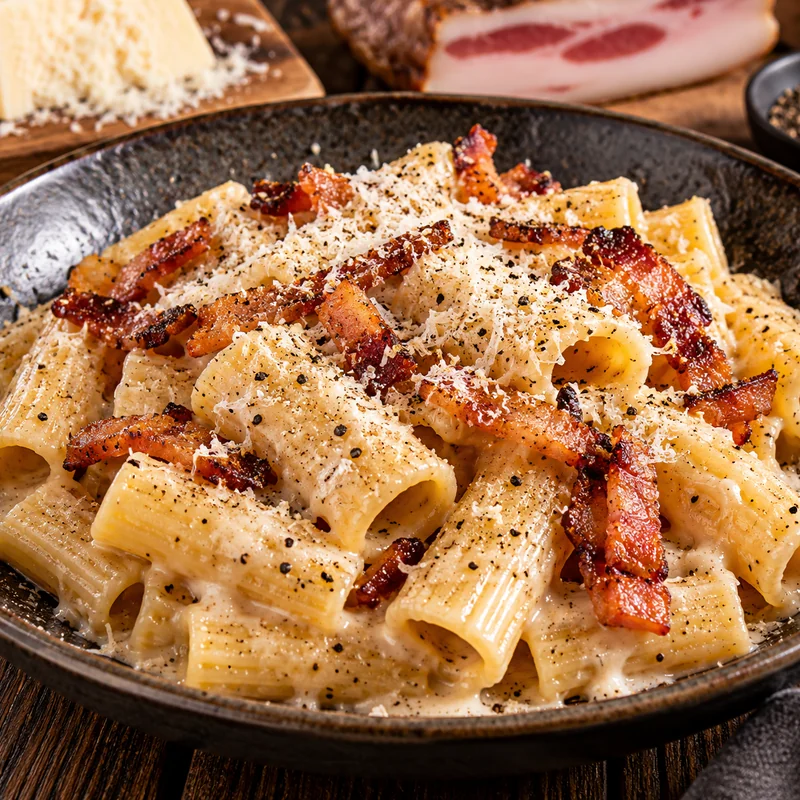
One of Rome's simplest and oldest pasta recipes, made with only guanciale, Pecorino Romano and plenty of black pepper, with no tomato or garlic. The creamy sauce formed by the rendered fat of the guanciale and starchy pasta water is the dish's only secret.
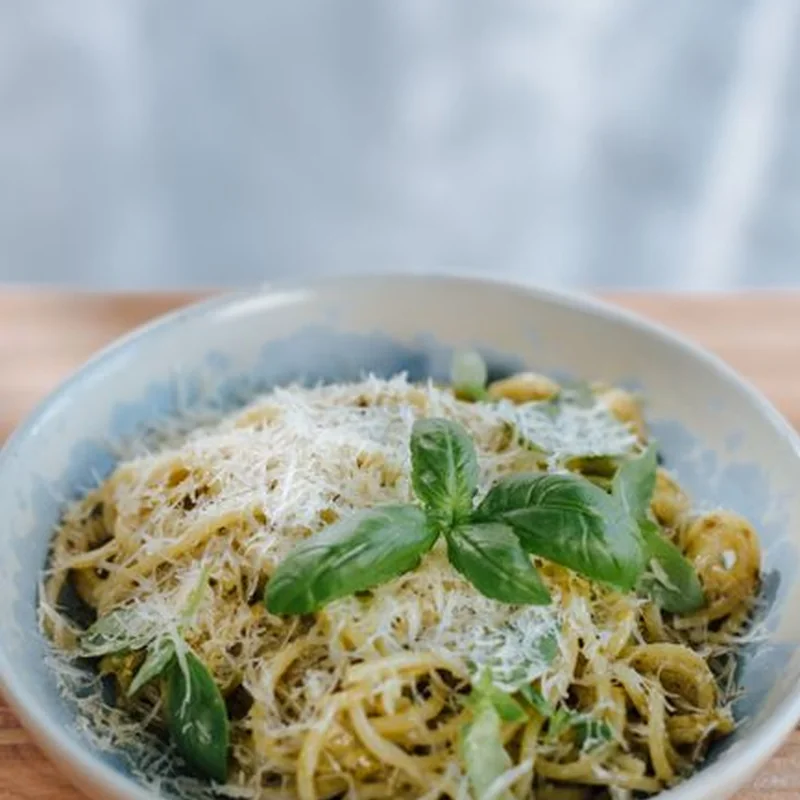
Classic Ligurian-style pasta with pesto. The traditional pesto, made by pounding fresh basil, pine nuts, garlic, Parmigiano-Reggiano and Pecorino cheeses with olive oil, is tossed with cooked trofie pasta.
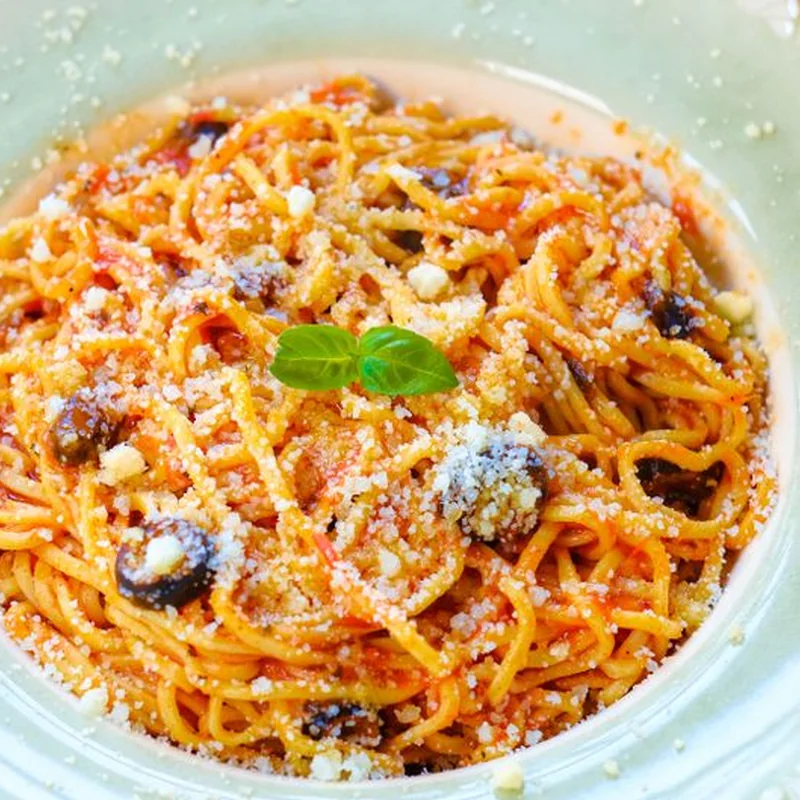
A bold, quick-sauced classic pasta of Neapolitan cuisine. This salty, spicy sauce, combining tomatoes, olives, capers, garlic and anchovy fillets, pairs perfectly with spaghetti.
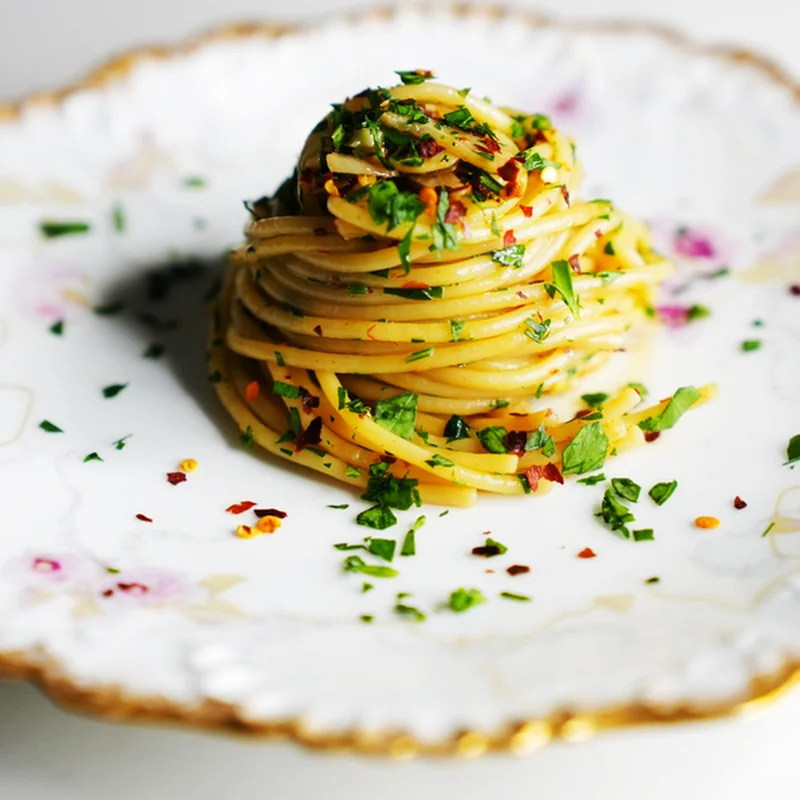
Classic Italian-style spaghetti with garlic and olive oil. Achieving perfect flavour with just a handful of ingredients, this is the simplest and most elegant pasta dish of Neapolitan cuisine.
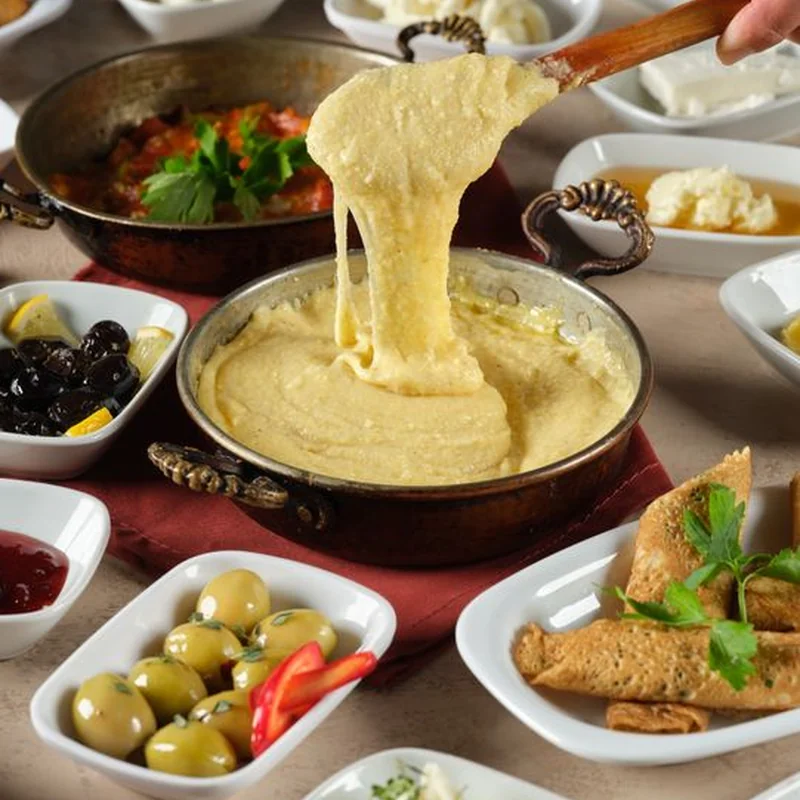
Traditional Northern Italian-style polenta with a velvety consistency, made from finely ground cornmeal. Enriched with butter and Parmigiano-Reggiano, served soft and creamy.
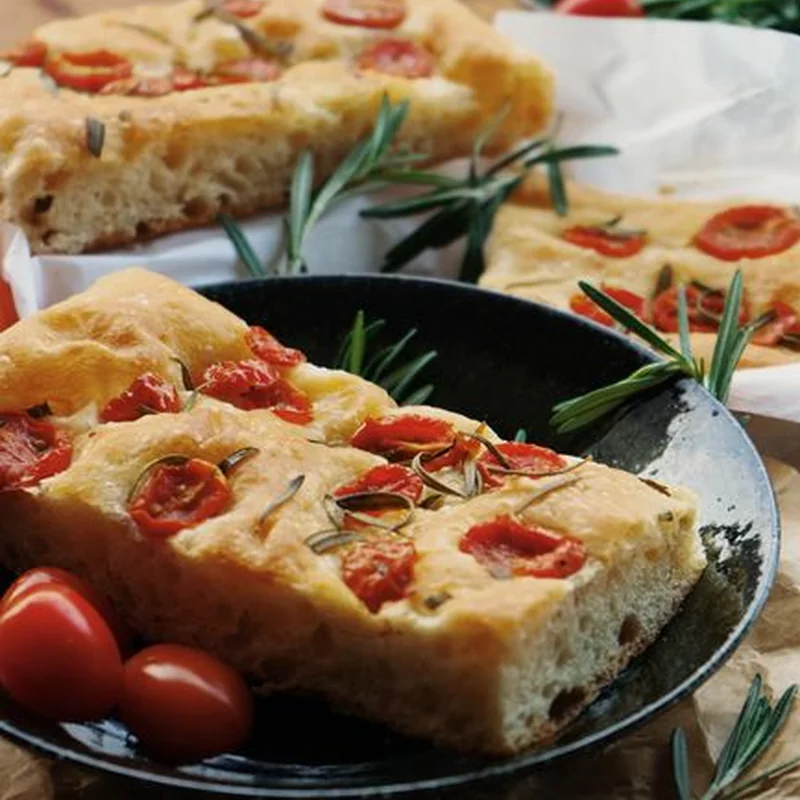
Classic Italian Focaccia: a traditional flatbread with a crisp exterior and soft interior, made with a high-hydration dough, generous olive oil, fresh rosemary and sea salt.
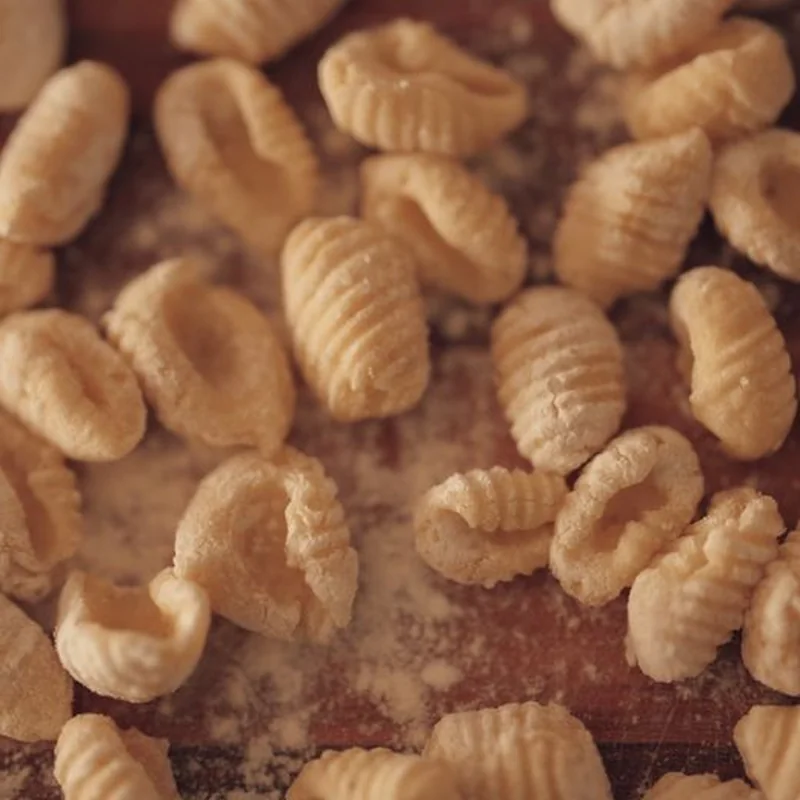
A traditional gnocchi recipe from the northern regions of Italy, made from soft potato dough. Served with a butter and sage sauce, this classic dish is one of the most beloved home-cooked meals in Italian cuisine.
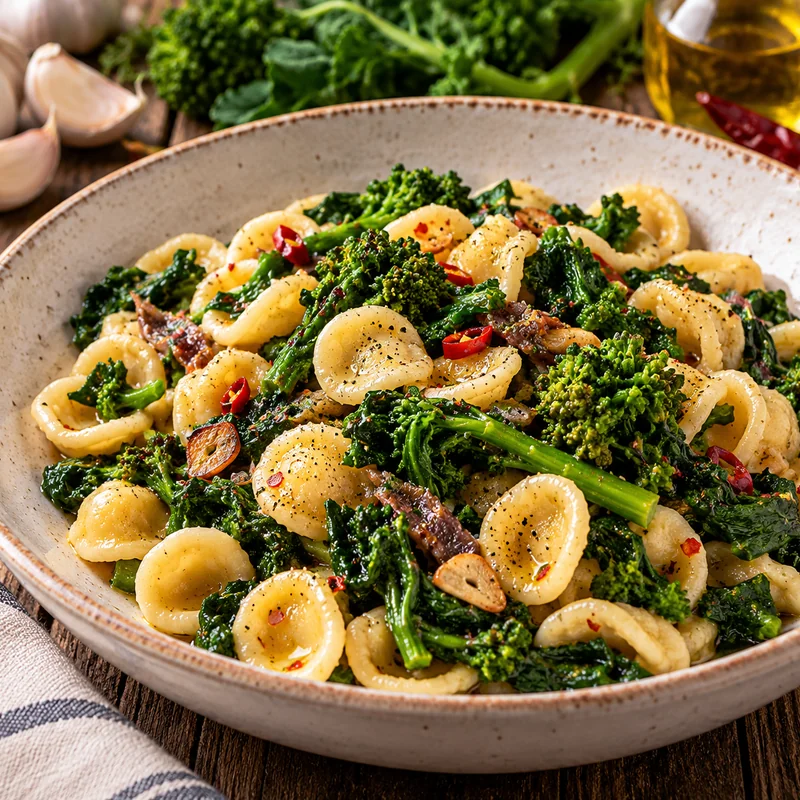
This recipe, one of Puglia's most iconic dishes, is a traditional flavour where hand-shaped orecchiette pasta meets bitter broccoli rabe (cime di rapa), anchovies, garlic and peperoncino. The pasta and greens are boiled in the same water; this gives the dish its characteristic depth of flavour.
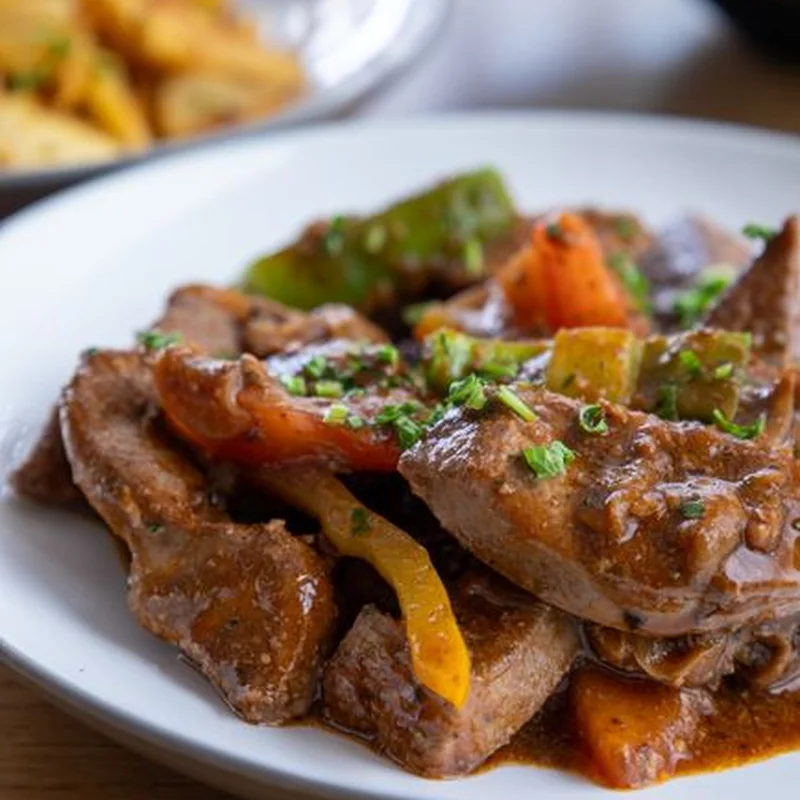
Fegato alla veneziana, the classic Venetian liver dish, is prepared by cooking thinly sliced calf's liver with plenty of onions in butter. The onions are slowly cooked until sweet and jammy in consistency, while the liver is seared briefly over high heat so that the outside is golden and the inside remains slightly pink. The butter sauce, deglazed with white wine, gives the dish its characteristic gloss and depth.
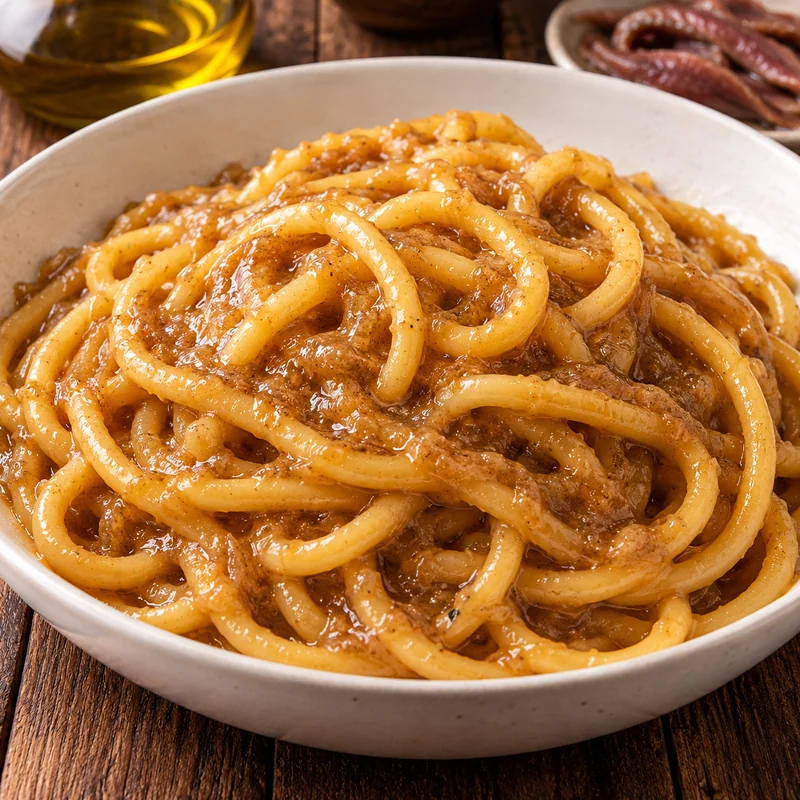
One of the oldest and simplest pasta dishes of Venetian and Veneto cuisine. Thinly sliced onions are slowly caramelised in olive oil to create a smooth sauce, then anchovy fillets are melted into the sauce. Thick bigoli pasta is tossed with this rich, sweet-and-salty sauce. It is traditionally served as a 'mangiare di magro' (fasting dish).
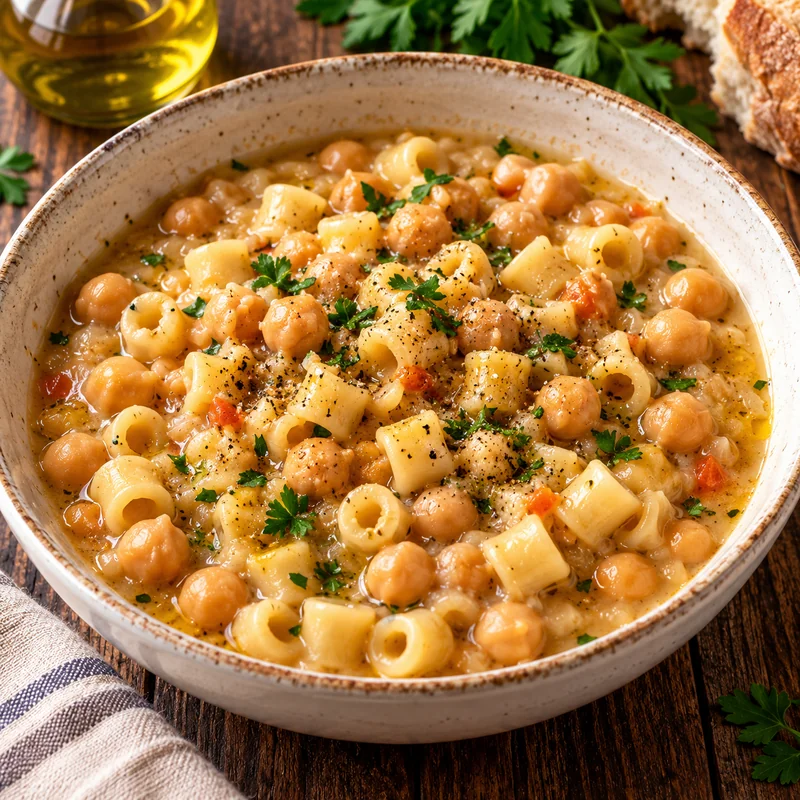
Pasta e ceci, one of the most beloved dishes of Italian cucina povera (peasant cooking), is a thick, nourishing soup combining chickpeas and small pasta. Flavoured with garlic, rosemary and tomato purée, this traditional recipe is a winter staple, particularly in Central and Southern Italy.
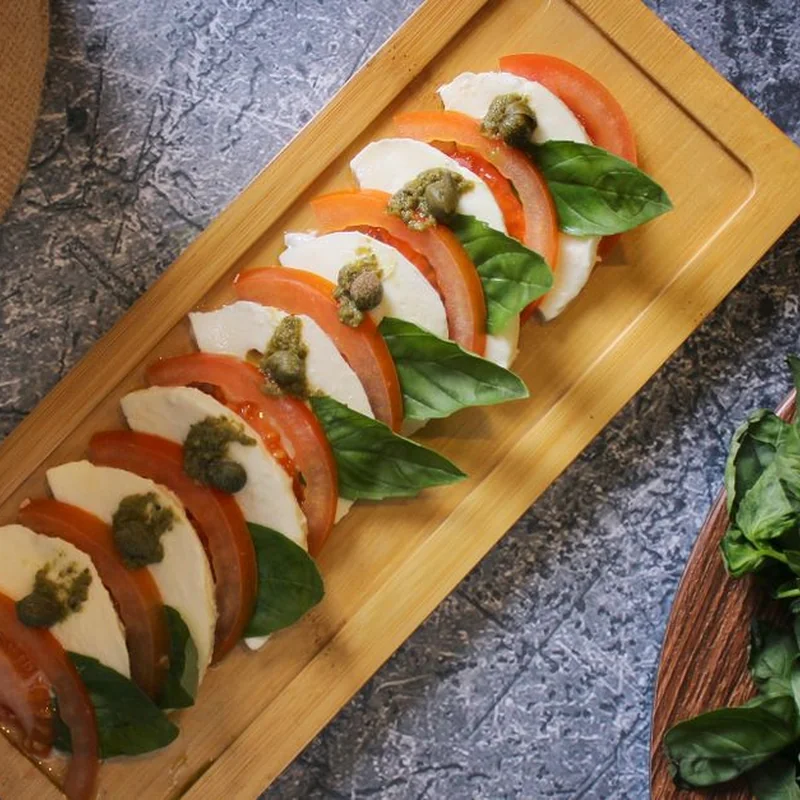
Originating from the island of Capri and spreading across the world, this is the simplest and most elegant salad in Italian cuisine. The harmony of ripe tomato slices, fresh buffalo mozzarella and basil leaves is completed with nothing more than good olive oil, salt and black pepper. This classic, built on the quality of three essential ingredients, is an indispensable part of Italy's summer table.
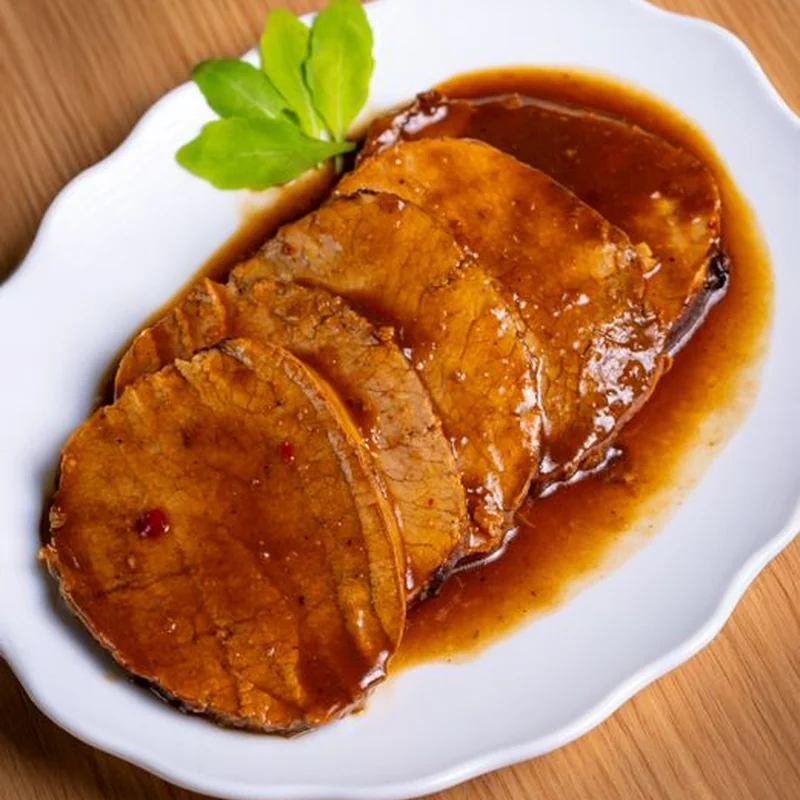
Sauerbraten, the most iconic dish of German cuisine, is prepared by slow-cooking beef that has been marinated for several days in a vinegar-based marinade. The result is a tender, aromatic roast served with a rich spiced sauce.